
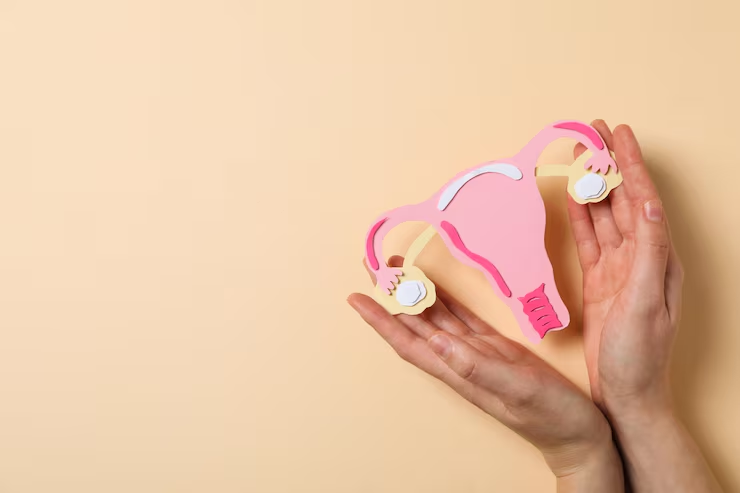
Menstrual Health and Fertility
By Dr. Merlin Kishore
Have you ever wondered why your energy levels, mood, appetite, and vaginal discharge change throughout the month? These changes are often linked to the different phases of your menstrual cycle.
Understanding your menstrual cycle can help you recognise ovulation, identify changes that may need medical attention, and better understand your fertility and overall reproductive health.
At Bloom Women's Centre, we believe that when women understand their bodies, they feel more confident making decisions about their health. Whether you are planning a pregnancy, managing irregular periods, or simply trying to understand your cycle better, learning about the menstrual cycle is an important first step. Consult Best Gynaecologist in Bangalore
What Is the Menstrual Cycle?
The menstrual cycle is a natural hormonal process that prepares a woman's body for pregnancy every month. While the average cycle lasts around 28 days, healthy cycles can range anywhere between 21 and 35 days.
It's important to remember that not every woman has a 28-day cycle. Variations in cycle length can be completely normal, especially if your cycle pattern remains relatively consistent from month to month.
The cycle has four major phases:
- Menstrual Phase
- Follicular Phase
- Ovulation Phase
- Luteal Phase
Each phase plays an important role in fertility, hormone regulation, and reproductive health.
Menstrual Phase – The Beginning of the Cycle
The menstrual phase starts on the first day of your period and usually lasts between 3 and 7 days.
During this phase:
- The uterine lining sheds
- Estrogen and progesterone levels drop
- Menstrual bleeding occurs
| Symptom | Common Experience |
|---|---|
| Cramps | Lower abdominal discomfort |
| Fatigue | Reduced energy levels |
| Mood changes | Emotional fluctuations |
| Bloating | Water retention |
| Lower back pain | Pelvic muscle discomfort |
Although pregnancy is less likely during menstruation, understanding your cycle can help you identify your fertile window more accurately. Women experiencing irregular or painful periods can seek expert gynaecologist at Bloom Women's Centre, where comprehensive hormonal and reproductive health evaluations are available.
Follicular Phase – Preparing for Ovulation
The follicular phase overlaps with menstruation and continues until ovulation.
During this phase:
- The brain releases Follicle Stimulating Hormone (FSH)
- Ovarian follicles begin maturing
- One healthy egg becomes dominant
- Estrogen levels gradually increase
This phase helps prepare the body for ovulation while rebuilding the uterine lining.
Signs of the Follicular Phase
| Common Changes | What Women May Notice |
|---|---|
| Rising estrogen | Better mood and energy |
| Increased cervical mucus | More vaginal discharge |
| Hormonal changes | Improved focus and motivation |
| Skin changes | Clearer or healthier-looking skin |
Many women report feeling more energetic, motivated, and productive during this stage of their cycle.
Ovulation Phase – The Most Fertile Window
Ovulation is typically the most fertile phase of the menstrual cycle and usually occurs around the middle of the cycle.
During ovulation:
- A mature egg is released from the ovary
- The egg enters the fallopian tube
- Fertilization may occur if sperm meets the egg during this fertile window
The fertile window generally includes:
- Five days before ovulation
- The day of ovulation
- One day after ovulation
Common Signs of Ovulation
| Symptom | Possible Meaning |
|---|---|
| Mild pelvic pain | Egg release |
| Increased cervical mucus | Fertility window |
| Increased libido | Hormonal peak |
| Slight rise in body temperature | Ovulation has occurred |
It's important to remember that not every woman notices clear signs of ovulation, and that's completely normal. Some women ovulate without experiencing any noticeable symptoms.
How Can You Track Ovulation?
If you are trying to conceive, tracking ovulation can help identify your most fertile days.
Common methods include:
- Monitoring cervical mucus changes
- Tracking basal body temperature
- Using ovulation predictor kits (OPKs)
- Using cycle tracking apps
- Ultrasound monitoring when recommended by a fertility specialist
Not sure if you are ovulating regularly? If your cycles are longer than 35 days, highly irregular, or you have been trying to conceive for a while without success, it is worth getting checked.
Our specialists at Bloom Women's Centre can assess your ovulation patterns and guide you from there. Women in Koramangala, HSR Layout, and Sarjapur Road visit us regularly for exactly this.
Luteal Phase – Preparing for Pregnancy
The luteal phase begins after ovulation and usually lasts between 12 and 14 days.
During this phase:
- Progesterone levels rise
- The uterus prepares for implantation
- The body supports a possible pregnancy
If pregnancy does not occur:
- Hormone levels fall
- The uterine lining sheds
- A new menstrual cycle begins
Symptoms During the Luteal Phase
| Common Symptoms | Why They Happen |
|---|---|
| Breast tenderness | Progesterone changes |
| Mood changes | Hormonal fluctuations |
| Food cravings | PMS-related changes |
| Fatigue | Increased progesterone levels |
| Bloating | Fluid retention |
Understanding these hormonal shifts can help women better recognize and manage PMS symptoms.
Factors That Can Affect Fertility
Several lifestyle and medical factors can affect ovulation and fertility, including:
- PCOS
- Thyroid disorders
- Stress
- Obesity
- Hormonal imbalance
- Poor sleep
- Age-related fertility decline
Fertility is influenced by several factors including egg quality, sperm health, age, hormonal balance, and overall reproductive health. Ignoring irregular periods or ovulation issues may delay diagnosis and treatment of underlying conditions.
If you are experiencing irregular periods, ovulation issues, or difficulty conceiving, seeking timely medical advice can help identify underlying causes and improve treatment outcomes.
Women from Marathahalli, Electronic City, BTM Layout, and nearby areas consult our team at Bloom Women's Centre for fertility guidance and reproductive health support from the best gynaecologist in Bangalore.
Natural Ways to Support Fertility
Healthy lifestyle habits can support hormonal balance and reproductive wellness.
Eat a Balanced Diet
Include:
- Protein-rich foods
- Leafy green vegetables
- Fruits and vegetables
- Nuts and seeds
- Omega-3-rich foods
- Iron-rich foods
Exercise Regularly
Moderate exercise supports healthy hormone function and helps maintain a healthy weight.
Manage Stress
High stress levels may affect ovulation and menstrual regularity.
Prioritize Good Sleep
Adequate sleep supports healthy reproductive hormone production.
Avoid Smoking and Excess Alcohol
These habits may negatively affect fertility in both men and women.
Doctor's Advice
"Many women only start paying attention to their menstrual cycle when they are trying to conceive. However, your cycle can provide valuable clues about your overall reproductive health. Changes in bleeding patterns, cycle length, or ovulation can sometimes signal an underlying issue that should be evaluated early."
– Dr. Merlin Kishore, Gynaecologist & Fertility Specialist, Bloom Women's Centre, Bangalore
At Bloom, women receive personalised fertility guidance, menstrual health evaluation, and compassionate gynaecology care focused on long-term reproductive wellness.
When Should You Consult a Doctor?
You should seek medical advice if you experience:
- Irregular periods
- Severe menstrual pain
- Heavy bleeding
- Missed periods
- Difficulty conceiving
- Severe PMS symptoms
- Symptoms of hormonal imbalance
Early evaluation can help identify underlying concerns and support better reproductive health outcomes. Timely medical advice can also provide reassurance, answer your questions, and help you make informed decisions about your reproductive health.
Something feels off with your cycle? You do not need to wait until it becomes a bigger problem. A simple consultation can give you clarity.
Bloom Women's Centre offers menstrual health evaluations and fertility assessments for women across Bangalore including Jayanagar, JP Nagar, Bannerghatta Road, and surrounding areas.
Conclusion
Your menstrual cycle is more than just a monthly period; it offers valuable insights into your overall reproductive health and fertility.
Learning to recognise the different phases of your cycle, track ovulation, and notice changes in your body can help you make informed decisions about your fertility and overall wellbeing.
If something does not feel right, seeking timely medical advice can provide clarity, support, and appropriate treatment options.
At Bloom Women's Centre, our team is committed to helping women across Bangalore understand their bodies and make confident decisions about their reproductive health at every stage of life.
Frequently Asked Questions About Menstrual Health and Fertility
1. Can irregular periods affect fertility?
Yes. Irregular periods may indicate a hormonal imbalance or ovulation problem that can affect conception. Women experiencing irregular cycles can consult Bloom Women's Centre in Bangalore for a fertility evaluation and personalised reproductive care.
2. Which phase of the menstrual cycle is most important for pregnancy?
Ovulation is the most fertile phase because the egg is released during this stage. Sperm can survive for up to five days inside the reproductive tract, so the days leading up to ovulation matter too.
3. When should I consult a fertility specialist in Bangalore?
You should consult a specialist if you have irregular periods, have been trying to conceive for 12 months without success, or 6 months if you are over 35, or have known conditions like PCOS or a thyroid disorder. Women across Bangalore including Koramangala, HSR Layout, Sarjapur Road, and Marathahalli visit Bloom Women's Centre for expert fertility guidance and reproductive health support.